Cardano NFT: What They Are, How They Work, and Why They Matter
In this article

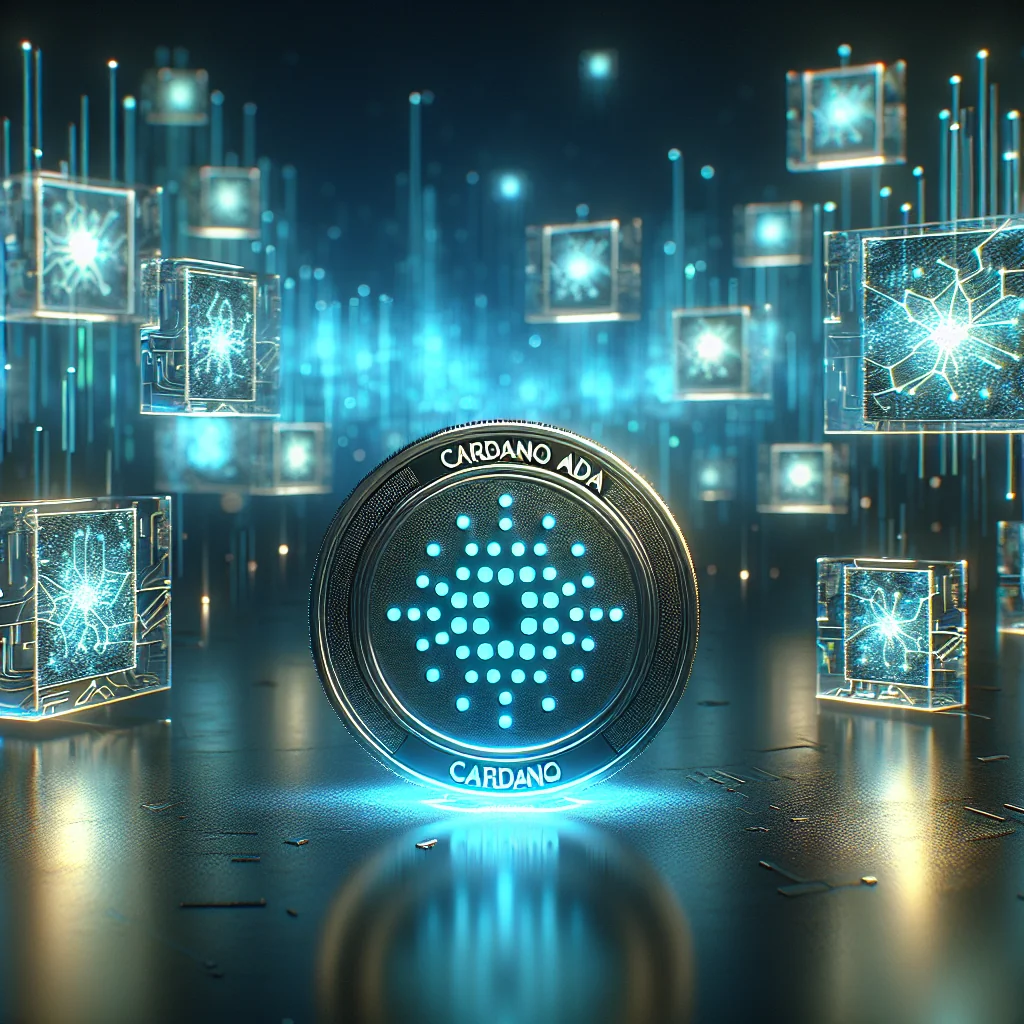
Cardano NFT projects have grown from a niche experiment into a serious part of the Cardano ecosystem. If you have heard about Cardano NFT collections but are not sure how they work or why people use them, this guide will walk you through the essentials in plain language.
This article explains what Cardano NFTs are, how they differ from Ethereum NFTs, how minting and trading work, and what risks you should understand before spending any money. You will see how the technology fits together and what steps you can take to use Cardano NFTs more safely.
What Is a Cardano NFT in Simple Terms?
A Cardano NFT is a unique digital asset that lives on the Cardano blockchain. The asset can represent art, music, game items, access passes, or any other digital collectible that someone wants to link to a token.
How Cardano NFTs Prove Ownership
Like other NFTs, a Cardano NFT proves ownership and uniqueness using blockchain records. No two NFTs with the same policy ID and asset name can exist, so each one can be checked as original and linked to a specific wallet address.
Why Cardano Uses Native Assets for NFTs
Cardano uses a different design from Ethereum. On Cardano, NFTs are native assets, which means they work more like ADA in the protocol itself instead of needing smart contract wrappers for basic transfers and storage.
Because NFTs are native, many simple actions such as sending or receiving a token rely on core ledger rules rather than custom contract code. This design choice influences fees, security assumptions, and how wallets and marketplaces handle Cardano NFTs.
How Cardano NFTs Work Under the Hood
Understanding the basic mechanics helps you see why Cardano NFTs are cheaper and often more energy efficient than NFTs on some other chains. You do not need to code to grasp the main ideas, but knowing the terms gives you an edge as a buyer or creator.
The Extended UTXO (EUTXO) Model
Cardano uses a ledger model called Extended UTXO (EUTXO). This model lets Cardano handle tokens, including NFTs, as first-class parts of the system at the base layer, rather than as custom contract balances.
Policy IDs, Asset Names, and Metadata
Each Cardano NFT is tied to a specific policy ID and asset name. The policy defines rules for minting and locking, while metadata carries details like the NFT title, description, traits, and image reference or other media pointers.
When you look at a Cardano NFT in a wallet or marketplace, you are seeing a friendly view of this technical data. The correct policy ID and asset name combination is what really matters for verifying that an NFT is part of a genuine collection.
Key Features That Make Cardano NFTs Different
Before you decide to use Cardano NFTs, it helps to see what makes them stand out. The points below describe core traits that many users and developers care about when choosing a blockchain for NFT projects.
- Native tokens: Cardano NFTs are built into the protocol, so they do not need custom smart contracts just to exist or move between wallets.
- Lower fees on average: Transaction fees for minting and trading NFTs on Cardano are often lower than on busier chains with heavy demand.
- Energy-efficient consensus: Cardano uses proof-of-stake, which uses less energy than proof-of-work systems that rely on mining hardware.
- Deterministic transactions: The EUTXO model makes transaction outcomes easier to predict, which helps NFT marketplace developers and reduces some on-chain surprises.
- Policy control: Creators can lock minting forever or keep a policy open for future drops under the same collection, which shapes supply and long-term plans.
These features shape how collections are built, how much they cost to use, and how traders interact with them. They do not make Cardano NFTs perfect, but they explain why some teams choose Cardano for their digital assets.
Cardano NFT vs Other Blockchains: Core Differences
Many people search for Cardano NFT information because they want an alternative to Ethereum NFTs or other chains. The differences matter for creators, collectors, and traders who balance cost, reach, and technical design.
Technical Contrast with Ethereum NFTs
On Ethereum, most NFTs follow standards like ERC-721 or ERC-1155 and rely on smart contracts. On Cardano, NFTs are native assets with metadata and policy scripts, which reduces some contract risk but adds different design choices and tooling needs.
Practical Impact on Fees and Activity
In practice, this means Cardano NFT activity often has lower gas fees and different user flows, while Ethereum still has more trading volume and more established brand-name collections that many buyers recognize.
Because of these trade-offs, some creators launch on Cardano for cost reasons and technical features, while others stay on Ethereum for reach, liquidity, and existing communities. A few projects even bridge or mirror collections across chains.
Core Parts of the Cardano NFT Ecosystem
The Cardano NFT space is made of several building blocks that work together. You will interact with some or all of these if you start collecting or creating NFTs on Cardano.
Wallets That Support Cardano NFTs
First, you need a Cardano wallet that supports native assets and NFTs. Options include lightweight browser wallets and full-node wallets, each with different trade-offs for security, control, and ease of use.
Marketplaces, Launchpads, and Tools
Next, marketplaces and launchpads handle buying, selling, and minting. These platforms connect your wallet to live NFT listings, handle transactions, and show metadata like images, traits, and policy IDs.
Analytics dashboards, rarity tools, and portfolio trackers complete the picture and help you keep track of prices, holdings, and project activity. As tools improve, Cardano NFT users gain better insight into market trends and project health.
Comparing Cardano and Ethereum NFTs at a Glance
The table below summarizes some high-level differences between Cardano NFTs and Ethereum NFTs. These points are general patterns, not strict rules for every project or marketplace.
Quick comparison of Cardano NFTs and Ethereum NFTs
| Aspect | Cardano NFTs | Ethereum NFTs |
|---|---|---|
| Token model | Native assets on EUTXO ledger | Smart contract standards (ERC-721, ERC-1155) |
| Typical fees | Often lower, more stable | Can spike with network demand |
| Energy use | Proof-of-stake consensus | Depends on network version and upgrades |
| Ecosystem size | Growing but smaller markets | Larger markets and older brands |
| Developer focus | Native tokens, policy scripts, Plutus | Smart contracts in Solidity and other tools |
This comparison shows why some users favor Cardano NFTs for lower costs and predictable transactions, while others stay with Ethereum for deeper liquidity and long-standing collections. Your choice can depend on budget, goals, and preferred tools.
How to Get Your First Cardano NFT Safely
If you are new and want a simple path, you can follow a clear process. This helps reduce mistakes and keeps your ADA and NFTs safer as you learn how Cardano NFT platforms work.
Step-by-Step Path from Wallet to NFT
Use the steps below as a high-level guide. Exact screens will differ by wallet and marketplace, but the flow is similar across most Cardano NFT platforms.
- Set up a Cardano wallet: Choose a trusted wallet that supports NFTs, install it, write down the recovery phrase on paper, and create a strong spending password.
- Fund your wallet with ADA: Buy ADA on a reputable exchange, then withdraw it to your new Cardano wallet address. Start with a small test amount first to confirm that transfers work.
- Pick a reliable marketplace: Use a known Cardano NFT marketplace with clear activity, active listings, and sound security practices that other users can confirm.
- Research NFT collections: Check the project site, social channels, policy ID, and community feedback before buying anything. Look for clear information and consistent branding.
- Connect your wallet: Open the marketplace, connect your Cardano wallet using the official integration, and confirm the connection in your wallet interface.
- Place a buy order or bid: Choose an NFT, check the price and fees, then sign the transaction in your wallet and wait for confirmation on the blockchain.
- Verify the NFT in your wallet: After the transaction is confirmed, check your wallet NFT tab to ensure the correct asset arrived under the correct policy ID and with the expected metadata.
Moving slowly through these steps reduces the chance of sending ADA to a fake address or buying a counterfeit NFT that does not match the real policy ID of the project. Patience and small test transactions can save you from painful errors.
Minting and Creating Your Own Cardano NFT
Many users move from collecting to creating. Minting a Cardano NFT means creating a new token under your control, with metadata that defines the asset and links it to your artwork or other content.
Choosing Between Code and No-Code Tools
You can mint NFTs using code-based tools or no-code platforms. Code-based tools give more control but require technical skill, while no-code minting services handle policy creation, metadata, and transactions through a visual interface.
Planning Your Collection Before Minting
Before minting, plan your collection size, artwork format, royalty rules if your marketplace supports them, and policy lock date. Once a policy is locked, you cannot mint more NFTs under that policy, so think carefully about long-term supply.
Good planning reduces future problems and helps buyers understand what to expect from your collection over time. Clear supply rules and consistent communication can build trust with Cardano NFT collectors.
Risks and Red Flags in Cardano NFT Projects
Every NFT market carries risk, and Cardano NFTs are no exception. Prices can drop, projects can fail, and scams do exist. Treat NFTs as high-risk digital assets, not guaranteed gains, and only spend money you can afford to lose.
Common Warning Signs to Watch For
Common red flags include anonymous teams with no history, promises of huge returns, fake social proof, and pressure to mint quickly before a mint window closes. Also watch for fake policy IDs that copy popular collections and confuse buyers.
Basic Security Habits for NFT Buyers
Use simple checks: verify the policy ID from official project communication, confirm details from trusted sources, and never share your seed phrase with anyone, even if they claim to be support staff or technical helpers.
By following these habits, you lower the chance of falling for common scams that target new Cardano NFT users. Over time, security habits become automatic and let you focus more on the projects and art you enjoy.
Use Cases for Cardano NFTs Beyond Collectibles
Art and profile pictures are the most visible use of Cardano NFTs, but they are not the only use. Developers and brands are testing more practical applications that connect NFTs to access, identity, and digital items.
Access Passes, Tickets, and Memberships
Cardano NFTs can act as access tokens for gated content, event tickets, membership passes, or proof of participation in a campaign. These NFTs can unlock private areas, streams, or discount codes when connected to supporting platforms.
Gaming, Identity, and Other Experiments
Game developers can use NFTs to represent in-game items, skins, or land. Other teams explore NFTs for digital identity, badges, or certificates that prove a skill or course completion without sharing extra personal data.
These use cases depend on smart contracts, off-chain services, and marketplace support. As infrastructure grows, Cardano NFT utility may expand beyond static images and basic collectibles toward richer digital experiences and services.
How to Evaluate a Cardano NFT Project Before Buying
You can reduce risk by using a simple mental checklist before you buy any Cardano NFT. The goal is not to predict future price, but to avoid obvious problems and weak projects.
Project Team, Delivery, and Community
Look at the team history, the clarity of the roadmap, the quality of the artwork or product, and how active the community is. Check if the project has delivered anything beyond marketing promises or teaser images.
Aligning NFT Purchases with Your Goals
Also think about your own goals. Are you buying to support an artist, to collect art you like, or to speculate on price? Being honest with yourself helps you size your budget and avoid emotional decisions during hype cycles.
Writing these goals down can help you pause before large purchases and decide if the NFT truly fits your plan. A simple written plan can act as a filter for impulse buys in the Cardano NFT market.
Getting Started with Cardano NFTs: Final Thoughts
Cardano NFT activity shows that NFTs are more than a single-chain trend. Cardano offers lower fees, native tokens, and a growing set of tools for creators and collectors who want a different technical base from Ethereum.
Building a Safe, Enjoyable NFT Experience
If you decide to explore Cardano NFTs, start small, use trusted wallets and marketplaces, and take time to verify each project. Treat NFTs as high-risk digital collectibles, not guaranteed gains, and focus on projects and art you genuinely value.
Why Cardano NFTs May Be Worth Your Attention
With that mindset, Cardano NFTs can be an interesting way to learn about blockchain, support creators, and explore new digital experiences on the Cardano network. As tools and standards mature, you can grow from curious beginner to informed participant in the Cardano NFT ecosystem.